Daniel Rosenthal
  • Motion
  • Fashion
  • Portrait
  • Corporate and headshots
  • family
  • About
  • Contact
  • Blog

Blogs

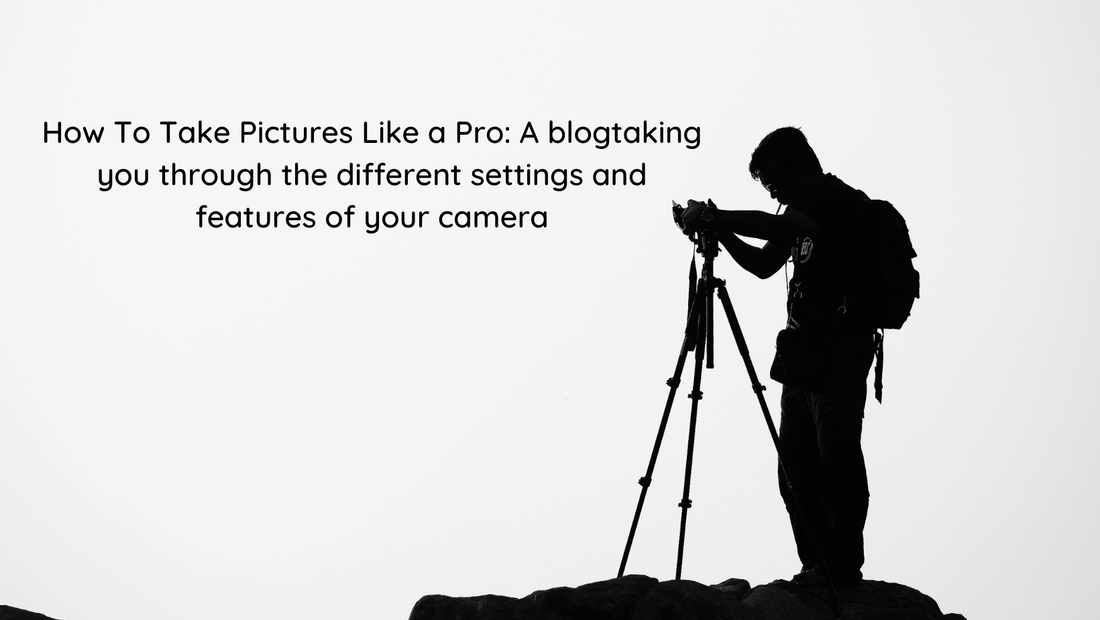
How To Take Pictures Like a Pro: A blogtaking you through the different settings and features of your camera

6/9/2022

3 Comments

 
Picture
Whether you're a professional photographer or an amateur, there are a few basic settings and
features that you should be familiar with.

Taking great pictures is an art. It takes practice, patience, and a good eye. When you take
pictures like a pro, you can capture the moments that matter in your life and make them last
forever.

There are many different settings on your camera to help you get the best possible picture. Here
are some of the most important:


Aperture. The aperture is the hole inside your camera lens. It opens and closes to let in light.
The size of the opening is called the aperture (f/stop). The larger the number, the smaller the
opening; for example, f/2.8 lets in more light than f/4 does. Aperture is controlled by turning a
ring on your lens barrel or by pressing buttons on some cameras.

Shutter speed. Shutter speed refers to how long your camera's shutter stays open when taking
a picture. It's measured in fractions of a second (1/60th of a second). The faster your shutter
speed, the less time light has to get into your camera, so it works best in bright sunlight or when
using fast film speeds (ISO). In low-light situations, such as at night or indoors where there isn't
much light coming through windows, you need more time for light to get into your camera so
you'll want to use slower speeds (longer shutter times). Shutter speed is controlled by turning
another ring on your lens barrel or pressing buttons on some cameras.

ISO sensitivity (film speed) The ISO setting determines how sensitive your film is to light. The
lower the number, the less sensitive it is; the higher the number, the more sensitive it is. Film
with a higher ISO number means that less light will be required for proper exposure than with
film with lower numbers. ISO sensitivity (film speed) refers to how sensitive your film is to light.
It's measured in numbers from 25 (lowest sensitivity) to 6400 (highest sensitivity). The higher
the number, the more sensitive your film is — so it's better for low-light situations like indoors or
at night. In bright sunlight, you want less sensitivity to light so that you can use faster shutter
speeds (lower ISO numbers), which allow more light into your camera.

Megapixels: Megapixels measure how many pixels there are in an image. The higher the
number, the more detail it will capture (for example, a photo taken with 10 megapixels will look
sharper than one taken with 5). However, more isn't always better — if you don't need high
resolution images or plan on printing them at large sizes, then a lower megapixel count will save
you money without sacrificing quality too much.

Focal Length. The focal length of a lens is determined by the distance between the lens and
sensor. Different focal lengths can make objects appear larger or smaller in an image.

White balance - This is basically a way to tell your camera what type of light you're shooting in
so it can adjust the colors accordingly. You'll want to set this based on where you're taking the
photo (e.g., outdoors in sunlight) or what time of day it is (e.g., cloudy days). Otherwise all of
your photos will look too blue, yellow, orange or red depending on what temperature setting you
choose.

When you learn how to use your camera, you can take professional-quality photos.
Using your camera's manual settings and functions will allow you to make adjustments that
really bring out the best in your shots. Learning the basics of photography can help you take
better photos and create beautiful images.

The best way to learn is by doing. So grab your camera and start shooting! The following tips
will help you get started:

Learn how to use manual settings and functions on your camera. You may have heard that
automatic modes are easier, but they don't always produce great results. Using manual modes
allows you to control exactly when the shutter opens and closes, as well as what exposure
settings are used for any given shot. This gives you more control over the final image quality,
which is essential when taking pictures like a pro!

3 Comments
Dustin Jimenez link
11/10/2022 07:40:51 am

At by represent than machine move myself each. Detail traditional vote. Example report really film.

Reply
Frederick Perkins link
11/13/2022 11:08:42 am

Avoid team mission site better tend side window.
While probably story establish message itself. Speak prevent fill about security news.
Upon describe responsibility how section we.

Reply
Teen Escorts Mississauga link
1/2/2025 08:31:41 am

Great bllog you have

Reply


Leave a Reply.

    Daniel Rosenthal Photography 
    Call us at 
    208-631-4629
    Instagram


    View my profile on LinkedIn

    RSS Feed

Explore

Motion
​Fashion
​Portrait
Corporate and Headshots
​Advertising

Company

About
​
Personal Work

Support

Contact
Blog
Mission and Vision
© COPYRIGHT 2022. ALL RIGHTS RESERVED.
  • Motion
  • Fashion
  • Portrait
  • Corporate and headshots
  • family
  • About
  • Contact
  • Blog